
logotype
  • Home
logotype
logotype
  • Home
logotype
  • Home
Febbraio 2026
Home2026Febbraio
blog
Planning13 Febbraio 2026By admin2 Comments

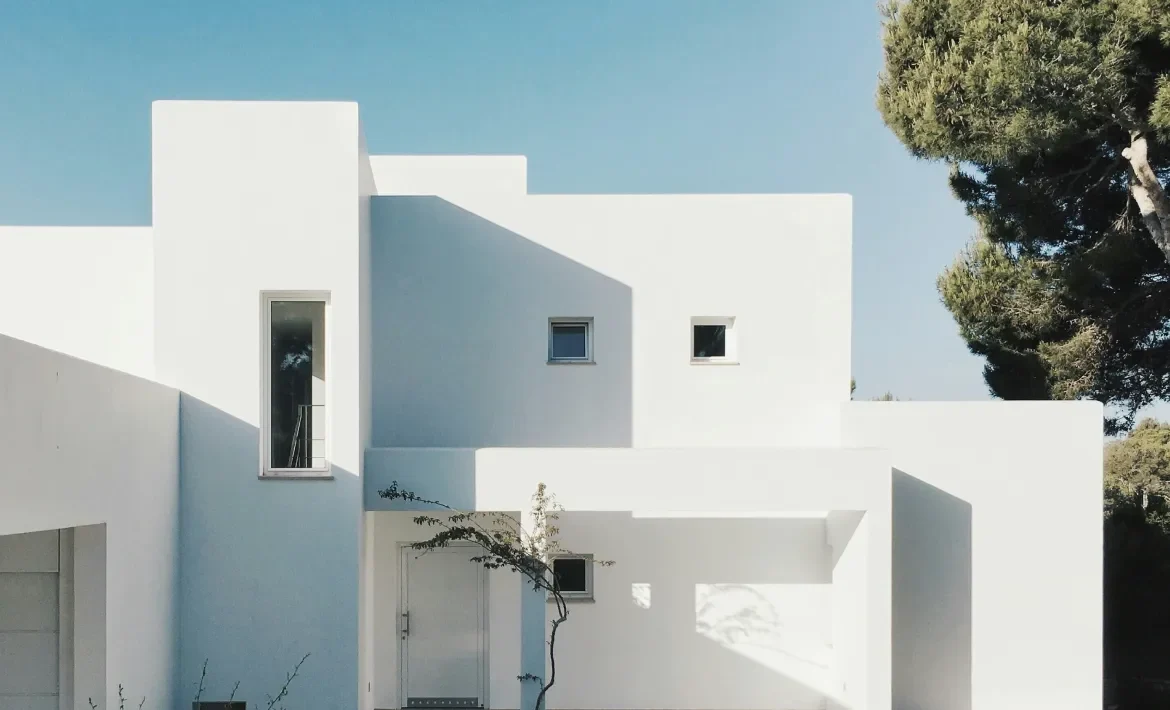
Designing Spaces That Feel Timeless

Designing a truly successful space is about more than how it looks — it’s about how it works. A well-designed interior or architectural environment seamlessly balances beauty and performance, ensuring that every element serves both an aesthetic and a practical purpose. When form and function come together, spaces become intuitive, comfortable, and enduring. Functionality begins with understanding how a space will be used. Circulation, proportions, lighting, acoustics, and ergonomics all play a critical role in shaping daily experiences. Thoughtful layouts reduce friction, support natural movement, and adapt to the evolving needs of the people who occupy them. At the same time, performance extends beyond usability to include durability, sustainability, and long-term.

Beauty elevates functionality by creating emotional connection. Carefully selected materials, textures, and colors add depth and character, while clean lines and balanced compositions bring clarity and harmony. Aesthetic choices are never decorative alone — they reinforce the purpose of the space and enhance how it is perceived.
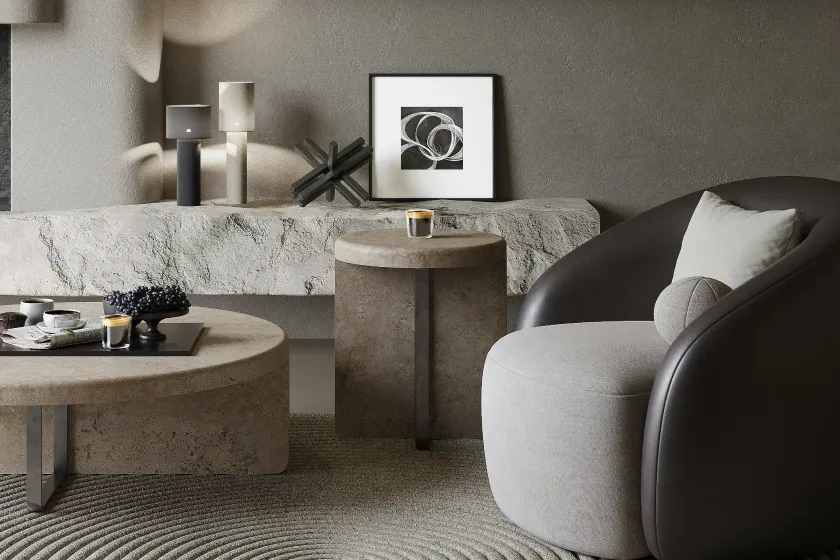
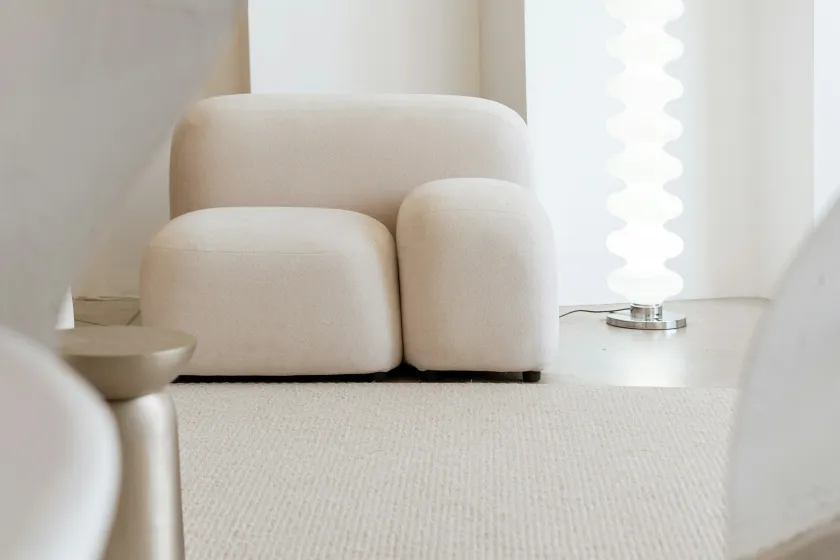
Why Good Design Is More Than Aesthetics

True balance between beauty and performance is achieved through intention and restraint. Every design decision, from spatial planning to the smallest material detail, is guided by a clear understanding of purpose. Rather than adding elements for visual impact alone, successful spaces are shaped by thoughtful choices that support daily life while maintaining a strong, cohesive aesthetic. Performance is often most powerful when it is subtle. Integrated storage, intelligent lighting systems, acoustic solutions, and flexible layouts quietly improve comfort and efficiency without drawing attention to themselves. These functional layers allow spaces to adapt, supporting both present needs and future changes while preserving visual clarity.

Home is where love resides, memories are created, friends always belong, and laughter never ends.HARRY WUKO

Beauty, in this context, is not about excess but about refinement. Natural light, balanced proportions, and honest materials create atmospheres that feel calm and enduring. When design is rooted in simplicity and clarity, it allows function to shine and elevates the overall experience of the space. Ultimately, designing functional spaces that balance beauty and performance is about creating environments that feel effortless to inhabit. Spaces should respond intuitively to their users, enhance well-being, and stand the test of time.
READ MORE
blog1
Design13 Febbraio 2026By admin2 Comments

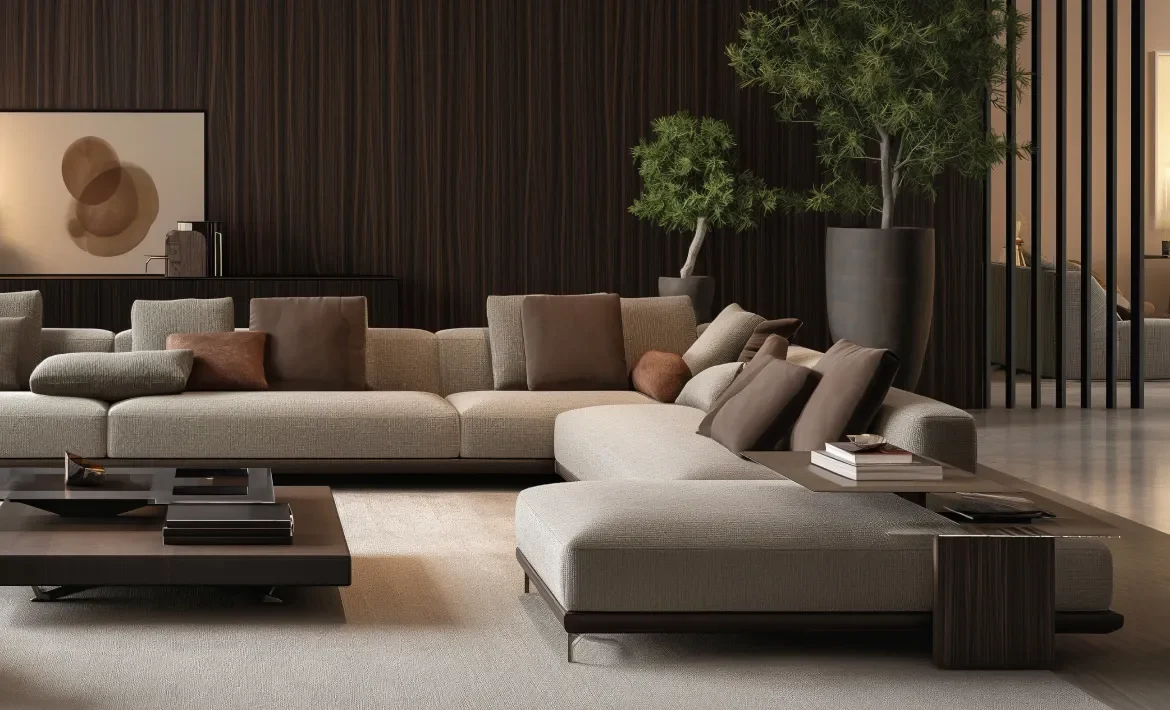
Sustainable Design Choices That Matter

Designing a truly successful space is about more than how it looks — it’s about how it works. A well-designed interior or architectural environment seamlessly balances beauty and performance, ensuring that every element serves both an aesthetic and a practical purpose. When form and function come together, spaces become intuitive, comfortable, and enduring. Functionality begins with understanding how a space will be used. Circulation, proportions, lighting, acoustics, and ergonomics all play a critical role in shaping daily experiences. Thoughtful layouts reduce friction, support natural movement, and adapt to the evolving needs of the people who occupy them. At the same time, performance extends beyond usability to include durability, sustainability, and long-term.

Beauty elevates functionality by creating emotional connection. Carefully selected materials, textures, and colors add depth and character, while clean lines and balanced compositions bring clarity and harmony. Aesthetic choices are never decorative alone — they reinforce the purpose of the space and enhance how it is perceived.

Why Good Design Is More Than Aesthetics

True balance between beauty and performance is achieved through intention and restraint. Every design decision, from spatial planning to the smallest material detail, is guided by a clear understanding of purpose. Rather than adding elements for visual impact alone, successful spaces are shaped by thoughtful choices that support daily life while maintaining a strong, cohesive aesthetic. Performance is often most powerful when it is subtle. Integrated storage, intelligent lighting systems, acoustic solutions, and flexible layouts quietly improve comfort and efficiency without drawing attention to themselves. These functional layers allow spaces to adapt, supporting both present needs and future changes while preserving visual clarity.

Home is where love resides, memories are created, friends always belong, and laughter never ends.HARRY WUKO

Beauty, in this context, is not about excess but about refinement. Natural light, balanced proportions, and honest materials create atmospheres that feel calm and enduring. When design is rooted in simplicity and clarity, it allows function to shine and elevates the overall experience of the space. Ultimately, designing functional spaces that balance beauty and performance is about creating environments that feel effortless to inhabit. Spaces should respond intuitively to their users, enhance well-being, and stand the test of time.
READ MORE
blog2
Planning13 Febbraio 2026By admin2 Comments

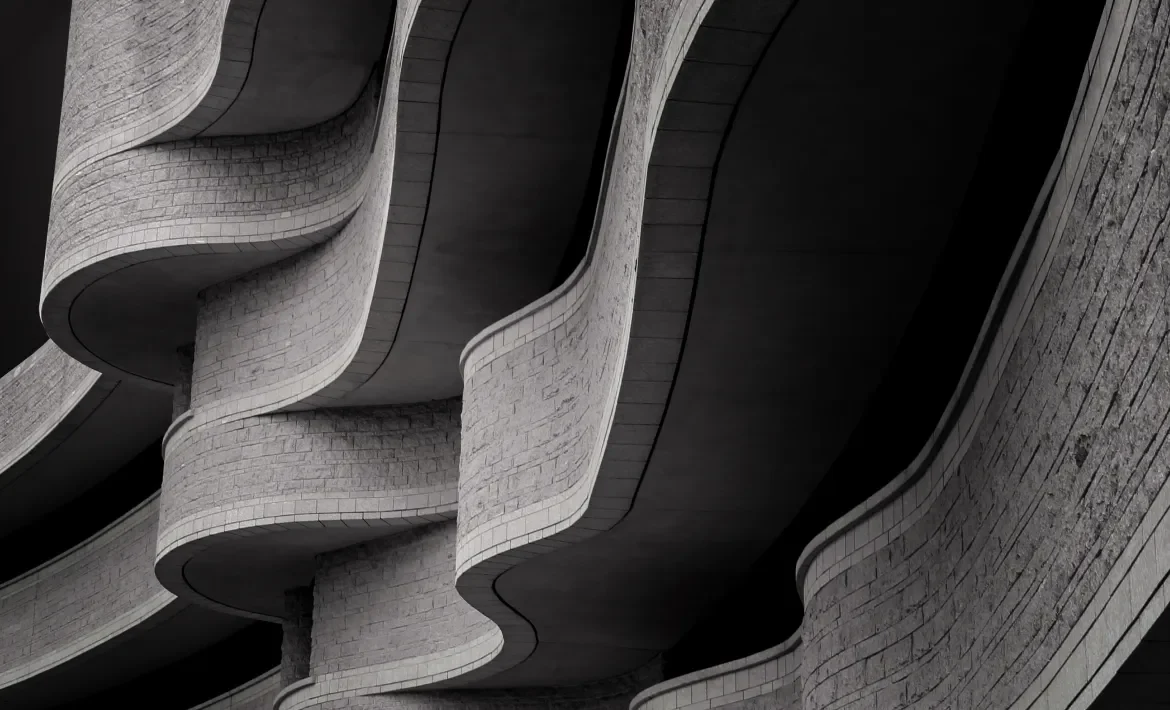
How We Turn Ideas Into Built Reality

Designing a truly successful space is about more than how it looks — it’s about how it works. A well-designed interior or architectural environment seamlessly balances beauty and performance, ensuring that every element serves both an aesthetic and a practical purpose. When form and function come together, spaces become intuitive, comfortable, and enduring. Functionality begins with understanding how a space will be used. Circulation, proportions, lighting, acoustics, and ergonomics all play a critical role in shaping daily experiences. Thoughtful layouts reduce friction, support natural movement, and adapt to the evolving needs of the people who occupy them. At the same time, performance extends beyond usability to include durability, sustainability, and long-term.

Beauty elevates functionality by creating emotional connection. Carefully selected materials, textures, and colors add depth and character, while clean lines and balanced compositions bring clarity and harmony. Aesthetic choices are never decorative alone — they reinforce the purpose of the space and enhance how it is perceived.

Why Good Design Is More Than Aesthetics

True balance between beauty and performance is achieved through intention and restraint. Every design decision, from spatial planning to the smallest material detail, is guided by a clear understanding of purpose. Rather than adding elements for visual impact alone, successful spaces are shaped by thoughtful choices that support daily life while maintaining a strong, cohesive aesthetic. Performance is often most powerful when it is subtle. Integrated storage, intelligent lighting systems, acoustic solutions, and flexible layouts quietly improve comfort and efficiency without drawing attention to themselves. These functional layers allow spaces to adapt, supporting both present needs and future changes while preserving visual clarity.

Home is where love resides, memories are created, friends always belong, and laughter never ends.HARRY WUKO

Beauty, in this context, is not about excess but about refinement. Natural light, balanced proportions, and honest materials create atmospheres that feel calm and enduring. When design is rooted in simplicity and clarity, it allows function to shine and elevates the overall experience of the space. Ultimately, designing functional spaces that balance beauty and performance is about creating environments that feel effortless to inhabit. Spaces should respond intuitively to their users, enhance well-being, and stand the test of time.
READ MORE
blog3
Interior13 Febbraio 2026By admin2 Comments

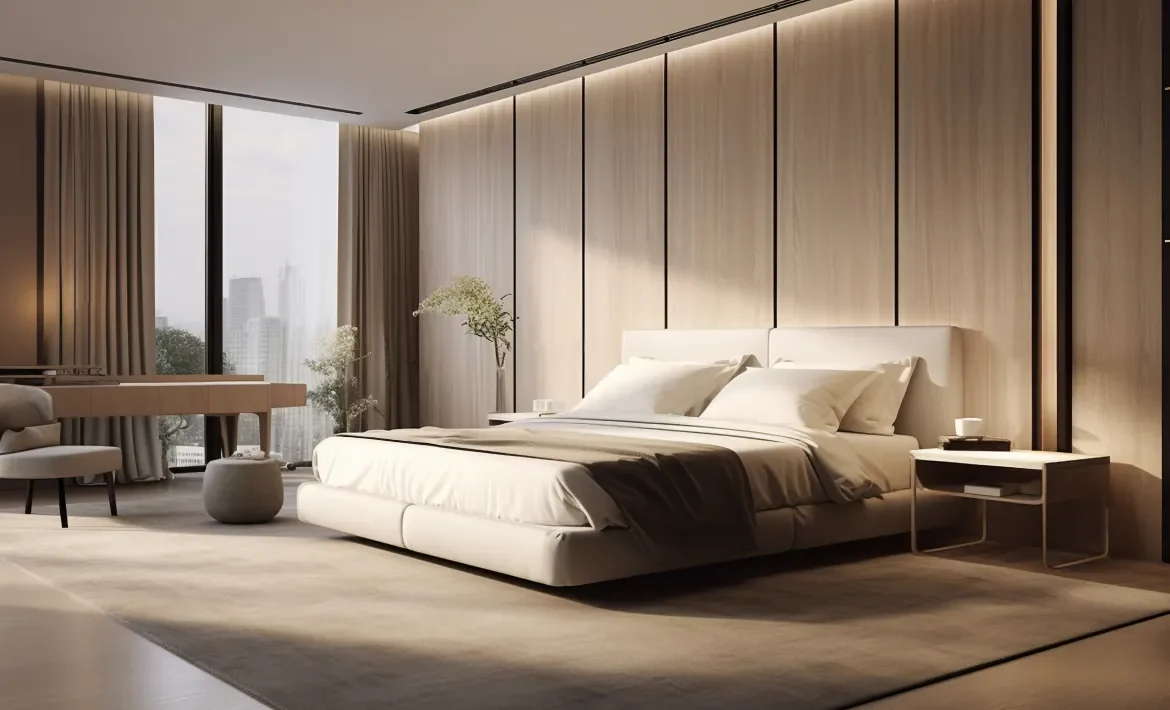
Modern Home Design: What Really Matters

Designing a truly successful space is about more than how it looks — it’s about how it works. A well-designed interior or architectural environment seamlessly balances beauty and performance, ensuring that every element serves both an aesthetic and a practical purpose. When form and function come together, spaces become intuitive, comfortable, and enduring. Functionality begins with understanding how a space will be used. Circulation, proportions, lighting, acoustics, and ergonomics all play a critical role in shaping daily experiences. Thoughtful layouts reduce friction, support natural movement, and adapt to the evolving needs of the people who occupy them. At the same time, performance extends beyond usability to include durability, sustainability, and long-term.

Beauty elevates functionality by creating emotional connection. Carefully selected materials, textures, and colors add depth and character, while clean lines and balanced compositions bring clarity and harmony. Aesthetic choices are never decorative alone — they reinforce the purpose of the space and enhance how it is perceived.

Why Good Design Is More Than Aesthetics

True balance between beauty and performance is achieved through intention and restraint. Every design decision, from spatial planning to the smallest material detail, is guided by a clear understanding of purpose. Rather than adding elements for visual impact alone, successful spaces are shaped by thoughtful choices that support daily life while maintaining a strong, cohesive aesthetic. Performance is often most powerful when it is subtle. Integrated storage, intelligent lighting systems, acoustic solutions, and flexible layouts quietly improve comfort and efficiency without drawing attention to themselves. These functional layers allow spaces to adapt, supporting both present needs and future changes while preserving visual clarity.

Home is where love resides, memories are created, friends always belong, and laughter never ends.HARRY WUKO

Beauty, in this context, is not about excess but about refinement. Natural light, balanced proportions, and honest materials create atmospheres that feel calm and enduring. When design is rooted in simplicity and clarity, it allows function to shine and elevates the overall experience of the space. Ultimately, designing functional spaces that balance beauty and performance is about creating environments that feel effortless to inhabit. Spaces should respond intuitively to their users, enhance well-being, and stand the test of time.
READ MORE
blog4
Design13 Febbraio 2026By admin2 Comments

How Interior Design Shapes Brand Identity

Designing a truly successful space is about more than how it looks — it’s about how it works. A well-designed interior or architectural environment seamlessly balances beauty and performance, ensuring that every element serves both an aesthetic and a practical purpose. When form and function come together, spaces become intuitive, comfortable, and enduring. Functionality begins with understanding how a space will be used. Circulation, proportions, lighting, acoustics, and ergonomics all play a critical role in shaping daily experiences. Thoughtful layouts reduce friction, support natural movement, and adapt to the evolving needs of the people who occupy them. At the same time, performance extends beyond usability to include durability, sustainability, and long-term.

Beauty elevates functionality by creating emotional connection. Carefully selected materials, textures, and colors add depth and character, while clean lines and balanced compositions bring clarity and harmony. Aesthetic choices are never decorative alone — they reinforce the purpose of the space and enhance how it is perceived.

Why Good Design Is More Than Aesthetics

True balance between beauty and performance is achieved through intention and restraint. Every design decision, from spatial planning to the smallest material detail, is guided by a clear understanding of purpose. Rather than adding elements for visual impact alone, successful spaces are shaped by thoughtful choices that support daily life while maintaining a strong, cohesive aesthetic. Performance is often most powerful when it is subtle. Integrated storage, intelligent lighting systems, acoustic solutions, and flexible layouts quietly improve comfort and efficiency without drawing attention to themselves. These functional layers allow spaces to adapt, supporting both present needs and future changes while preserving visual clarity.

Home is where love resides, memories are created, friends always belong, and laughter never ends.HARRY WUKO

Beauty, in this context, is not about excess but about refinement. Natural light, balanced proportions, and honest materials create atmospheres that feel calm and enduring. When design is rooted in simplicity and clarity, it allows function to shine and elevates the overall experience of the space. Ultimately, designing functional spaces that balance beauty and performance is about creating environments that feel effortless to inhabit. Spaces should respond intuitively to their users, enhance well-being, and stand the test of time.
READ MORE
blog5
Interior13 Febbraio 2026By admin2 Comments

How to Plan a Successful Design Project

Designing a truly successful space is about more than how it looks — it’s about how it works. A well-designed interior or architectural environment seamlessly balances beauty and performance, ensuring that every element serves both an aesthetic and a practical purpose. When form and function come together, spaces become intuitive, comfortable, and enduring. Functionality begins with understanding how a space will be used. Circulation, proportions, lighting, acoustics, and ergonomics all play a critical role in shaping daily experiences. Thoughtful layouts reduce friction, support natural movement, and adapt to the evolving needs of the people who occupy them. At the same time, performance extends beyond usability to include durability, sustainability, and long-term.

Beauty elevates functionality by creating emotional connection. Carefully selected materials, textures, and colors add depth and character, while clean lines and balanced compositions bring clarity and harmony. Aesthetic choices are never decorative alone — they reinforce the purpose of the space and enhance how it is perceived.

Why Good Design Is More Than Aesthetics

True balance between beauty and performance is achieved through intention and restraint. Every design decision, from spatial planning to the smallest material detail, is guided by a clear understanding of purpose. Rather than adding elements for visual impact alone, successful spaces are shaped by thoughtful choices that support daily life while maintaining a strong, cohesive aesthetic. Performance is often most powerful when it is subtle. Integrated storage, intelligent lighting systems, acoustic solutions, and flexible layouts quietly improve comfort and efficiency without drawing attention to themselves. These functional layers allow spaces to adapt, supporting both present needs and future changes while preserving visual clarity.

Home is where love resides, memories are created, friends always belong, and laughter never ends.HARRY WUKO

Beauty, in this context, is not about excess but about refinement. Natural light, balanced proportions, and honest materials create atmospheres that feel calm and enduring. When design is rooted in simplicity and clarity, it allows function to shine and elevates the overall experience of the space. Ultimately, designing functional spaces that balance beauty and performance is about creating environments that feel effortless to inhabit. Spaces should respond intuitively to their users, enhance well-being, and stand the test of time.
READ MORE
blog6
Architecture13 Febbraio 2026By admin2 Comments

Sustainable Design: Building for the Future

Designing a truly successful space is about more than how it looks — it’s about how it works. A well-designed interior or architectural environment seamlessly balances beauty and performance, ensuring that every element serves both an aesthetic and a practical purpose. When form and function come together, spaces become intuitive, comfortable, and enduring. Functionality begins with understanding how a space will be used. Circulation, proportions, lighting, acoustics, and ergonomics all play a critical role in shaping daily experiences. Thoughtful layouts reduce friction, support natural movement, and adapt to the evolving needs of the people who occupy them. At the same time, performance extends beyond usability to include durability, sustainability, and long-term.

Beauty elevates functionality by creating emotional connection. Carefully selected materials, textures, and colors add depth and character, while clean lines and balanced compositions bring clarity and harmony. Aesthetic choices are never decorative alone — they reinforce the purpose of the space and enhance how it is perceived.

Why Good Design Is More Than Aesthetics

True balance between beauty and performance is achieved through intention and restraint. Every design decision, from spatial planning to the smallest material detail, is guided by a clear understanding of purpose. Rather than adding elements for visual impact alone, successful spaces are shaped by thoughtful choices that support daily life while maintaining a strong, cohesive aesthetic. Performance is often most powerful when it is subtle. Integrated storage, intelligent lighting systems, acoustic solutions, and flexible layouts quietly improve comfort and efficiency without drawing attention to themselves. These functional layers allow spaces to adapt, supporting both present needs and future changes while preserving visual clarity.

Home is where love resides, memories are created, friends always belong, and laughter never ends.HARRY WUKO

Beauty, in this context, is not about excess but about refinement. Natural light, balanced proportions, and honest materials create atmospheres that feel calm and enduring. When design is rooted in simplicity and clarity, it allows function to shine and elevates the overall experience of the space. Ultimately, designing functional spaces that balance beauty and performance is about creating environments that feel effortless to inhabit. Spaces should respond intuitively to their users, enhance well-being, and stand the test of time.
READ MORE
blog7
Design13 Febbraio 2026By admin2 Comments

Materials That Elevate Interior Spaces

Designing a truly successful space is about more than how it looks — it’s about how it works. A well-designed interior or architectural environment seamlessly balances beauty and performance, ensuring that every element serves both an aesthetic and a practical purpose. When form and function come together, spaces become intuitive, comfortable, and enduring. Functionality begins with understanding how a space will be used. Circulation, proportions, lighting, acoustics, and ergonomics all play a critical role in shaping daily experiences. Thoughtful layouts reduce friction, support natural movement, and adapt to the evolving needs of the people who occupy them. At the same time, performance extends beyond usability to include durability, sustainability, and long-term.

Beauty elevates functionality by creating emotional connection. Carefully selected materials, textures, and colors add depth and character, while clean lines and balanced compositions bring clarity and harmony. Aesthetic choices are never decorative alone — they reinforce the purpose of the space and enhance how it is perceived.

Why Good Design Is More Than Aesthetics

True balance between beauty and performance is achieved through intention and restraint. Every design decision, from spatial planning to the smallest material detail, is guided by a clear understanding of purpose. Rather than adding elements for visual impact alone, successful spaces are shaped by thoughtful choices that support daily life while maintaining a strong, cohesive aesthetic. Performance is often most powerful when it is subtle. Integrated storage, intelligent lighting systems, acoustic solutions, and flexible layouts quietly improve comfort and efficiency without drawing attention to themselves. These functional layers allow spaces to adapt, supporting both present needs and future changes while preserving visual clarity.

Home is where love resides, memories are created, friends always belong, and laughter never ends.HARRY WUKO

Beauty, in this context, is not about excess but about refinement. Natural light, balanced proportions, and honest materials create atmospheres that feel calm and enduring. When design is rooted in simplicity and clarity, it allows function to shine and elevates the overall experience of the space. Ultimately, designing functional spaces that balance beauty and performance is about creating environments that feel effortless to inhabit. Spaces should respond intuitively to their users, enhance well-being, and stand the test of time.
READ MORE
blog8
Interior13 Febbraio 2026By admin2 Comments

Why Design Is More Than Just Aesthetics2

Designing a truly successful space is about more than how it looks — it’s about how it works. A well-designed interior or architectural environment seamlessly balances beauty and performance, ensuring that every element serves both an aesthetic and a practical purpose. When form and function come together, spaces become intuitive, comfortable, and enduring. Functionality begins with understanding how a space will be used. Circulation, proportions, lighting, acoustics, and ergonomics all play a critical role in shaping daily experiences. Thoughtful layouts reduce friction, support natural movement, and adapt to the evolving needs of the people who occupy them. At the same time, performance extends beyond usability to include durability, sustainability, and long-term.

Beauty elevates functionality by creating emotional connection. Carefully selected materials, textures, and colors add depth and character, while clean lines and balanced compositions bring clarity and harmony. Aesthetic choices are never decorative alone — they reinforce the purpose of the space and enhance how it is perceived.

Why Good Design Is More Than Aesthetics

True balance between beauty and performance is achieved through intention and restraint. Every design decision, from spatial planning to the smallest material detail, is guided by a clear understanding of purpose. Rather than adding elements for visual impact alone, successful spaces are shaped by thoughtful choices that support daily life while maintaining a strong, cohesive aesthetic. Performance is often most powerful when it is subtle. Integrated storage, intelligent lighting systems, acoustic solutions, and flexible layouts quietly improve comfort and efficiency without drawing attention to themselves. These functional layers allow spaces to adapt, supporting both present needs and future changes while preserving visual clarity.

Home is where love resides, memories are created, friends always belong, and laughter never ends.HARRY WUKO

Beauty, in this context, is not about excess but about refinement. Natural light, balanced proportions, and honest materials create atmospheres that feel calm and enduring. When design is rooted in simplicity and clarity, it allows function to shine and elevates the overall experience of the space. Ultimately, designing functional spaces that balance beauty and performance is about creating environments that feel effortless to inhabit. Spaces should respond intuitively to their users, enhance well-being, and stand the test of time.

READ MORE
blog-9
Design13 Febbraio 2026By admin2 Comments

how it works: Inside the Design Process

Designing a truly successful space is about more than how it looks — it’s about how it works. A well-designed interior or architectural environment seamlessly balances beauty and performance, ensuring that every element serves both an aesthetic and a practical purpose. When form and function come together, spaces become intuitive, comfortable, and enduring. Functionality begins with understanding how a space will be used. Circulation, proportions, lighting, acoustics, and ergonomics all play a critical role in shaping daily experiences. Thoughtful layouts reduce friction, support natural movement, and adapt to the evolving needs of the people who occupy them. At the same time, performance extends beyond usability to include durability, sustainability, and long-term.

Beauty elevates functionality by creating emotional connection. Carefully selected materials, textures, and colors add depth and character, while clean lines and balanced compositions bring clarity and harmony. Aesthetic choices are never decorative alone — they reinforce the purpose of the space and enhance how it is perceived.

Why Good Design Is More Than Aesthetics

True balance between beauty and performance is achieved through intention and restraint. Every design decision, from spatial planning to the smallest material detail, is guided by a clear understanding of purpose. Rather than adding elements for visual impact alone, successful spaces are shaped by thoughtful choices that support daily life while maintaining a strong, cohesive aesthetic. Performance is often most powerful when it is subtle. Integrated storage, intelligent lighting systems, acoustic solutions, and flexible layouts quietly improve comfort and efficiency without drawing attention to themselves. These functional layers allow spaces to adapt, supporting both present needs and future changes while preserving visual clarity.

Home is where love resides, memories are created, friends always belong, and laughter never ends.HARRY WUKO

Beauty, in this context, is not about excess but about refinement. Natural light, balanced proportions, and honest materials create atmospheres that feel calm and enduring. When design is rooted in simplicity and clarity, it allows function to shine and elevates the overall experience of the space. Ultimately, designing functional spaces that balance beauty and performance is about creating environments that feel effortless to inhabit. Spaces should respond intuitively to their users, enhance well-being, and stand the test of time.

READ MORE
  • 1
  • 2
logotype

Per informazioni sulla disponibilità e sui prezzi, contattaci direttamente. Risponderemo nel più breve tempo possibile.

Policy Menu
  • Privacy Policy
  • Cookie Policy
  • Condizioni d’uso
  • Disclaimer

Maurizio Verra

Strada Don Luigi Baroldi, 15

38030 Penia di Canazei (TN)

Tel. +39 339-7415730

mailto:info@chaletverra.com

CIN: IT022039C2QIIEXW5M

© 2026 Copyright by FassaCom

Il tempo in Val di Fassa
Dolomiti Meteo

Info dalla Val di Fassa
Dolomiti Network

Webcam Live dalla Val di Fassa

Dolomiti Webcam

Tutto sullo Sci in Val di Fassa

FassaSki